

MyEllevate is an ideal choice for individuals who desire a more sculpted jawline and improved neck contour. This innovative procedure offers a minimally invasive solution to address concerns such as sagging jowls, submental fullness (double chin), and lack of definition along the jawline. MyEllevate can provide natural-looking results with minimal downtime and scarring.
MyEllevate is a minimally-invasive neck lift procedure that can provide the rejuvenating effects of a traditional neck lift without the lengthy recovery period.
The suture used in MyEllevate is anchored to provide long-lasting lift - improving the appearance of sagging skin and jowls.
Thanks to its minimally-invasive nature, MyEllevate entails minimal downtime. Most patients can resume their regular activities within a few days.

Here's what you can expect during the treatment:
Our medical team will provide you with detailed aftercare instructions to support your recovery and optimise the results.

MyEllevate offers several benefits, including a more defined jawline, improved neck contour, and enhanced facial symmetry. The procedure can effectively address:
and provide a more youthful and refreshed appearance. MyEllevate is known for its natural-looking results and minimal downtime, allowing you to return to your daily activities relatively quickly.
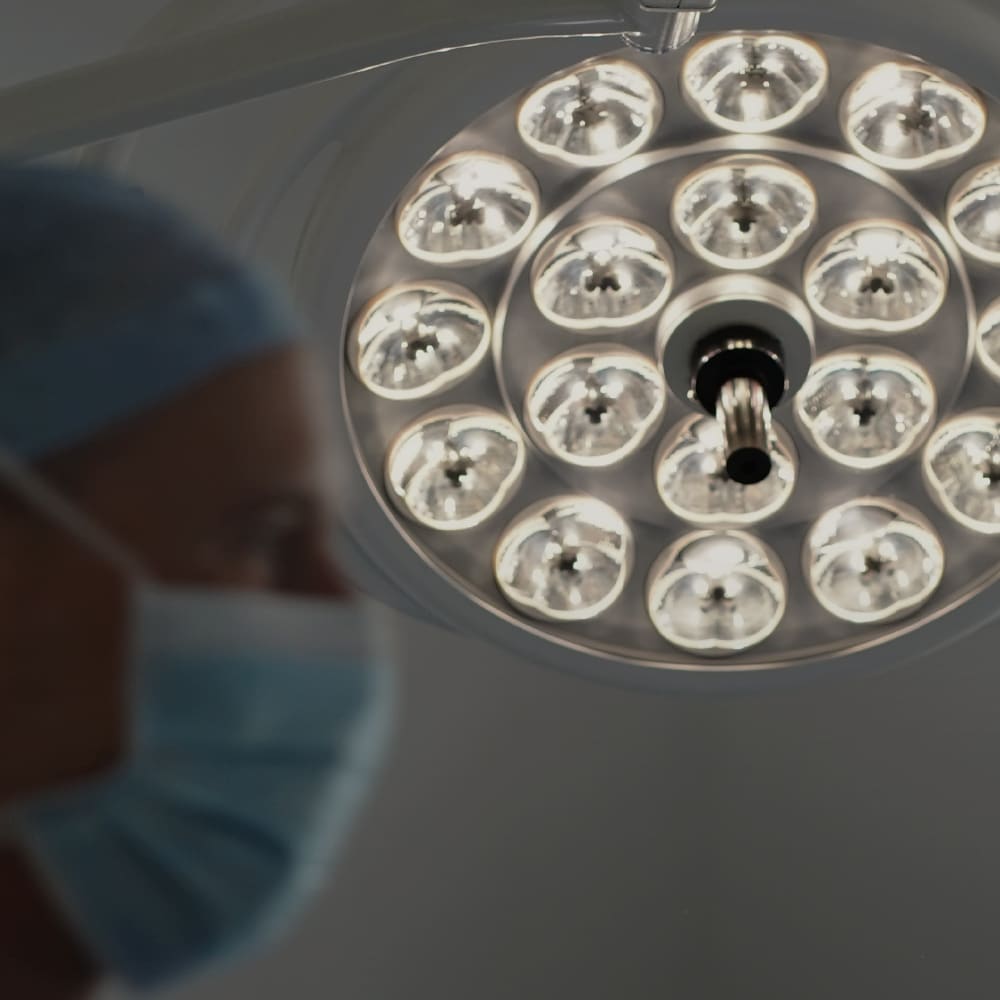


On the day of the procedure, you will arrive at our clinic, and our attentive staff will guide you through the process. The surgical team will confirm the details of the procedure with you and together you will complete a consent form. Your surgeon will then perform the MyEllevate procedure according to your personalised treatment plan. Depending on your preference and the surgeon's recommendation, the procedure can be performed using local anaesthesia with or without light sedation.
With MyEllevate Jawline Contouring, you can expect the following results:
MyEllevate provides natural-looking results, improving the appearance of sagging jowls and submental fullness (double chin). The results can last for an extended period, and with proper skincare and maintenance, you can enjoy the benefits for a long time.


Yes. All surgical procedures involve some scarring. Our goal is to position scars in the least noticeable places and use careful closure techniques to support good healing. We’ll explain what scar maturation typically looks like, how long it takes, and what you can do (such as sun protection and appropriate scar care) to optimise the final appearance.
Most procedures are performed with local anaesthetic so the treatment area is numb. You may feel pressure or tugging, but you should not feel sharp pain after the initial injection. Afterward, mild discomfort and swelling are normal for a short period. We’ll advise you on suitable pain relief and what to expect day-to-day. If your procedure is performed under conscious sedation, you will not be aware of any sensation.
Timing varies depending on the exact plan and whether one or more areas are treated. We’ll confirm expected procedure time and what your day will look like during consultation so you can plan around work, travel and recovery.
Recovery depends on the procedure and where it’s performed. Swelling and tenderness are common early on. Many people feel comfortable socially within 1–2 weeks for minor procedures, although subtle swelling and scar maturation can continue for weeks to months. The recovery from larger or more complex procedures can take longer and may require follow-up appointments for dressing changes and wound assessment. You’ll receive clear aftercare guidance and follow-up arrangements when you book your procedure.
Return to work depends on your job, the procedure site and how comfortable you feel. Exercise and heavier activity can place tension on healing wounds, so our surgeons will give you personalised advice on timing and a gradual return to activity.
All surgical procedures carry risks. Common risks include bleeding, infection, scarring, wound healing issues, and the possibility of needing additional treatment or refinement. Some procedures have specific risks related to the area treated. We’ll talk you through the risks and how we minimise them, and you’ll have time to ask questions before deciding.
The first step is a consultation. We’ll assess your concern, discuss what’s realistic, explain your options (including non-surgical alternatives where appropriate), and outline recovery and pricing clearly.