

Prominent ear correction, also known as otoplasty or pinnaplasty, is an ideal choice for individuals who are self-conscious about ears that protrude prominently from the head. This procedure can address concerns such as excessively large ears, ear asymmetry, or ear deformities. By reshaping and repositioning the ears, prominent ear correction can enhance facial harmony and boost self-confidence.

Prominent ear correction, is a surgical procedure that can improve the appearance of the ears. There are a number of terms used commonly to refer to this type of ear reshaping surgery, such as "ear pinning", pinnaplasty and otoplasty. Each of these terms generally refer to procedures that reshape the cartilage of the ear to reduce the degree to which the ears "stick out". The procedure can involve one or both ears, depending on your needs. There are two primary techniques for prominent ear correction: cartilage scoring and cartilage reshaping with sutures. Prominent ear correction is usually performed under local anaesthetic, and the procedure can take up to two hours, depending on the complexity of the case.
The cartilage scoring and reshaping technique involves making a small incision behind the ear and removing or scoring cartilage to reshape the ear. This technique is suitable for mild to moderate ear protrusion and can usually be performed under local anaesthetic.
At Profile Aesthetic, we prefer to use the fascial flap and suturing technique for prominent ear correction. This technique involves making a small incision behind the ear and lifting the skin and fascia off the cartilage, preserving a fascial flap which helps to protect the permanent sutures that are subsequently placed. The fascia is a thin layer of tissue that covers the muscles and provides additional support to the ear. The surgeon then uses sutures to hold the ear in its new position.
The fascial flap and suturing technique provides more control over the shape of the ear and has less serious consequences in the event of complications. It is a very safe technique that is suitable for all types of ear protrusion or when the antehelical fold needs to be reshaped.
If you're over 18 years old and unhappy with the appearance of your ears, you may be a good candidate for prominent ear correction. It's important to have realistic expectations about the results and to discuss your goals with your surgeon.
The cost of prominent ear correction in the UK can vary depending on the surgeon and the complexity of the procedure. At Profile Aesthetic, our prominent ear correction procedures start at £4500 (both ears).

Prominent ear correction offers several benefits, including improved ear symmetry, a more balanced facial appearance, and increased self-confidence. This procedure can help address concerns related to protruding or misshapen ears, allowing you to feel more comfortable and confident in various social and professional settings.
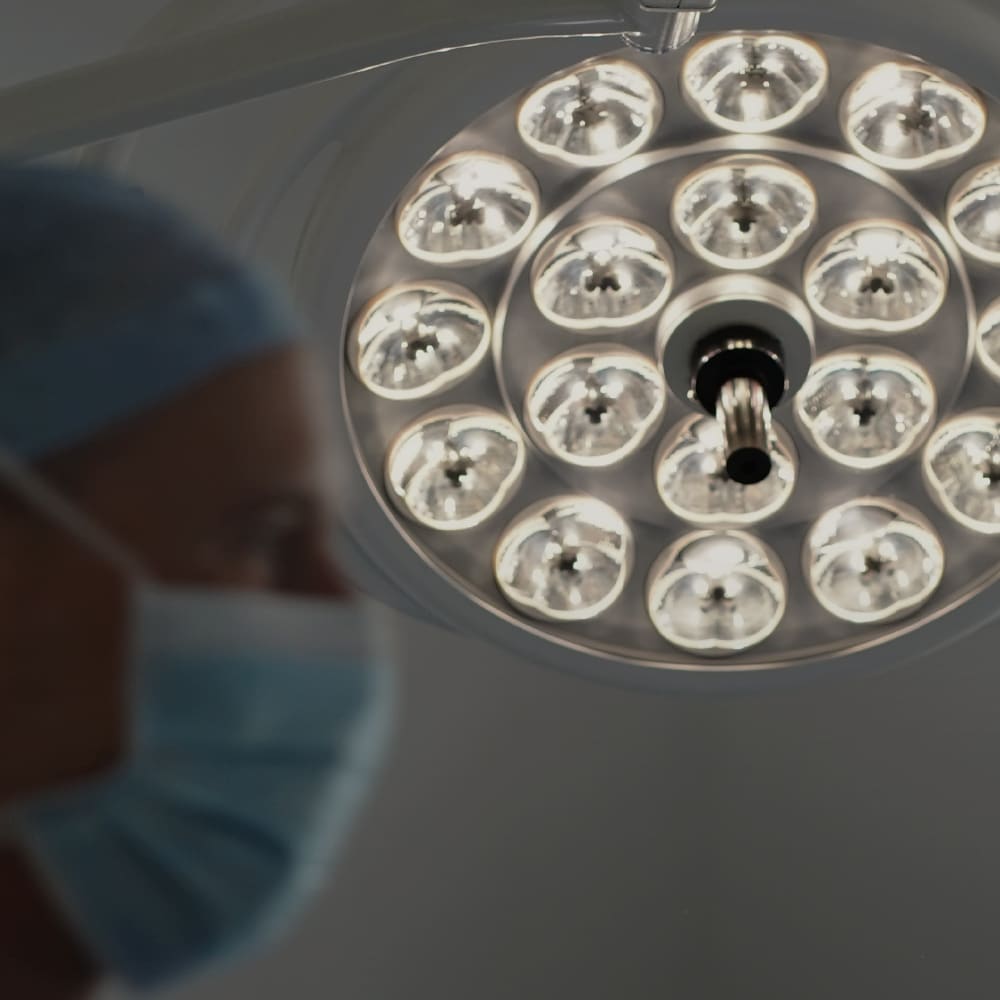


On the day of the procedure, you will arrive at our clinic, and our caring staff will guide you through the process. Your surgeon will confirm the details of the proposed treatment with you and together you will complete a consent form. Properative photographs will be taken for your records. The surgical team will perform the prominent ear correction surgery according to the personalised treatment plan, utilising the chosen technique. The procedure is typically performed under local anesthesia and sedation can be provided if necessary, to ensure your comfort throughout.
Following the recovery period, you can expect improved ear symmetry, a more balanced appearance, and ears that lie closer to the head. Prominent ear correction can provide natural-looking results, enhancing your facial harmony and boosting your self-confidence. The results of prominent ear correction are long-lasting, allowing you to enjoy the benefits for years to come, however occasionally the prominence can recur if sutures become loose or the ear is injured early in the recovery period. This is easily addressed with revisional surgery.


Yes. All surgical procedures involve some scarring. Our goal is to position scars in the least noticeable places and use careful closure techniques to support good healing. We’ll explain what scar maturation typically looks like, how long it takes, and what you can do (such as sun protection and appropriate scar care) to optimise the final appearance.
Prominent ear correction (otoplasty) is performed under local anaesthetic, avoiding general anaesthetic, and takes about 60–90 minutes. Afterwards it’s normal to feel some swelling, bruising and discomfort around the ears for the first week or two – this is well controlled with a clear, personalised pain-relief plan, and discomfort settles steadily over the following weeks.
Most patients take around 1–2 weeks of downtime and 1–2 weeks off work, and should avoid exercise, sport and heavy lifting for 6 weeks. You’ll wear a supportive headband, particularly at night, to protect the ears while they heal. You’ll have follow-up appointments at 1 week and 6 weeks.
Time off work is typically 1–2 weeks, depending on how physical your job is. Driving is usually possible again after 2–3 days, once you are in full control of the car – able to wear a seatbelt and steer without discomfort, and comfortably perform an emergency stop. Gentle walking is encouraged early, but exercise, sport and heavy lifting are avoided for 6 weeks while you heal.
All surgical procedures carry risks. Common risks include bleeding, infection, scarring, wound healing issues, and the possibility of needing additional treatment or refinement. Some procedures have specific risks related to the area treated. We’ll talk you through the risks and how we minimise them, and you’ll have time to ask questions before deciding.
The first step is a consultation. We’ll assess your concern, discuss what’s realistic, explain your options (including non-surgical alternatives where appropriate), and outline recovery and pricing clearly.