

A facelift is an ideal choice for individuals who want to address signs of aging in the face and neck. This procedure can improve concerns such as sagging skin, deep creases, jowls, and loss of facial volume. By lifting and tightening the underlying tissues and removing excess skin, a facelift can restore a more youthful and rejuvenated facial contour.

A facelift involves the surgical lifting and repositioning of the underlying facial tissues and muscles, as well as the removal of excess skin. There are many types of facelift and at Profile Aesthetic, we focus on two versatile techniques: the Deep Plane Facelift and the R-Facelift. The deep plane facelift is a complex technique that targets the deeper layers of the face for more comprehensive rejuvenation. The R-facelift is a targeted lift of the lower face, jowls and jawline, using limited dissection and limited undermining of the skin, which lowers the risk of nerve injury and of skin necrosis and means less swelling and a shorter recovery. Our skilled surgeons will determine the most suitable technique based on your specific case.
Facelifts can be combined with a number of different procedures in order to provide a holistic, durable result:
These treatments address all the features of facial ageing and can be combined to achieve outstanding results.

A facelift offers several benefits, including a smoother and tighter facial contour, reduction of wrinkles and sagging skin, improved jawline definition, and a more youthful appearance. This procedure can help you regain confidence, enhance facial harmony, and turn back the clock on visible signs of aging.
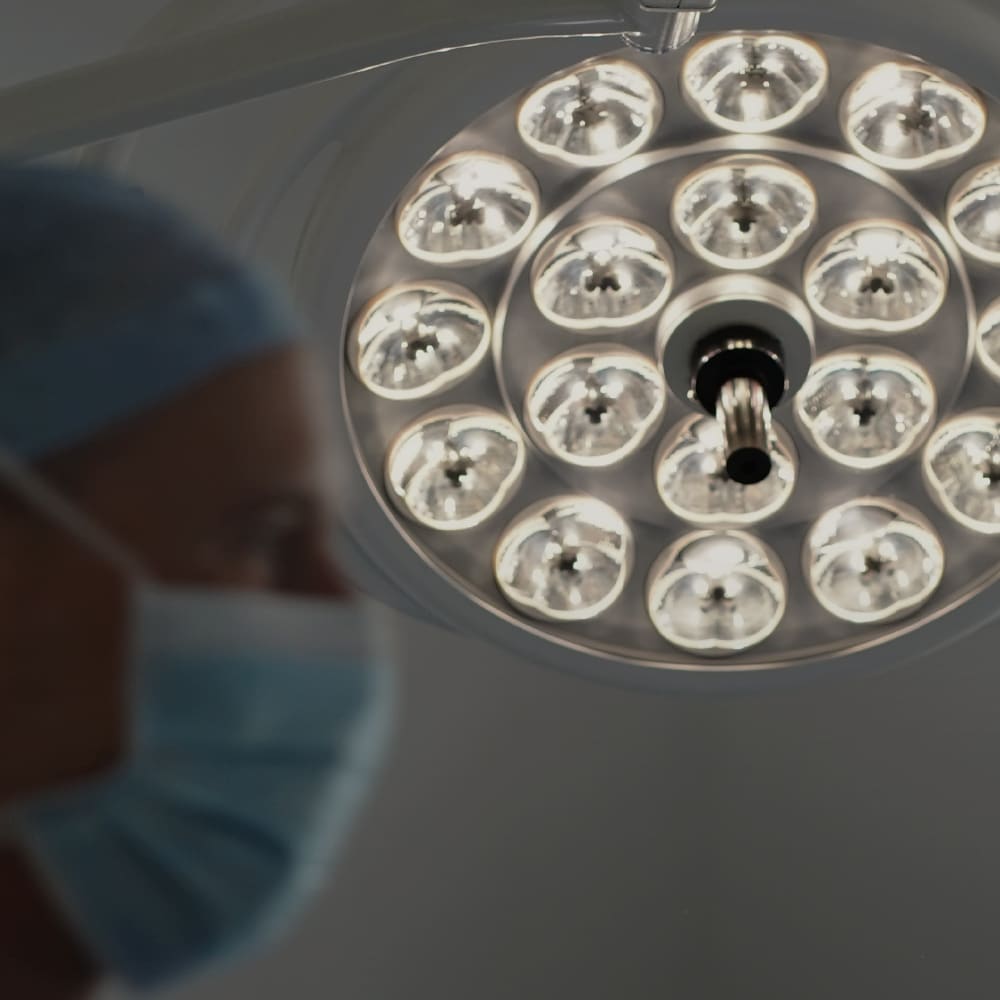


On the day of the procedure, you will arrive at our clinic, and our caring staff will guide you through the process. Your surgeon will confirm the details of the procedure and any additional treatments that you have agreed in your treatment plan. The surgeon will make some surgical markings and take preoperative photographs for your medical records. The surgical team will perform the facelift surgery according to the personalizsed treatment plan, utilising the chosen technique. The procedure is typically performed under local anaesthesia and sedation to ensure your comfort throughout.
After the procedure you will be taken to our purpose-built recovery suite where you will be looked-after by one of our experienced nurses.
Following the recovery period, you can expect a more youthful and rejuvenated facial appearance. A facelift can help improve facial sagging, tighten loose skin, and reduce the appearance of wrinkles and creases. The results of a facelift can be long-lasting, and while the natural aging process will continue, you can enjoy the benefits for many years with proper skincare and a healthy lifestyle.


Yes. All surgical procedures involve some scarring. Our goal is to position scars in the least noticeable places and use careful closure techniques to support good healing. We’ll explain what scar maturation typically looks like, how long it takes, and what you can do (such as sun protection and appropriate scar care) to optimise the final appearance.
A facelift is performed under local anaesthetic with sedation, avoiding general anaesthetic, and takes about 3–4 hours. Afterwards it’s normal to feel swelling, bruising and tightness in the face and neck for the first week or two – this is well controlled with a clear, personalised pain-relief plan, and discomfort settles steadily over the following weeks.
The amount of bruising and swelling depends on the type of facelift and any additional procedures; most social swelling settles within 1–2 weeks, with the final result developing over about 3 months. Most patients take around 2–4 weeks of downtime and 1–2 weeks off work, and should avoid exercise, sport and heavy lifting for 6–8 weeks. You’ll have follow-up appointments at 1 and 2 weeks, 6 weeks, and as required.
Time off work is typically 1–2 weeks, depending on how physical your job is. Driving is usually possible again after 1–2 weeks, once you are in full control of the car – able to wear a seatbelt and steer without discomfort, and comfortably perform an emergency stop. Gentle walking is encouraged early, but exercise, sport and heavy lifting are avoided for 6–8 weeks while you heal.
All surgical procedures carry risks. Common risks include bleeding, infection, scarring, wound healing issues, and the possibility of needing additional treatment or refinement. Some procedures have specific risks related to the area treated. We’ll talk you through the risks and how we minimise them, and you’ll have time to ask questions before deciding.
The first step is a consultation. We’ll assess your concern, discuss what’s realistic, explain your options (including non-surgical alternatives where appropriate), and outline recovery and pricing clearly.